 (281) 681-3905


What Is PRP and PRF for Hair Restoration?
We understand that hair loss or thinning can cause both men and women to feel self-conscious, taking a negative toll on well-being. There are several factors that can lead to hair loss or hair thinning, including genetics and hormones, which can lead to androgenetic alopecia. In many cases, it is irreversible. To regain a full head of hair and fill in thinning patches, people often explore interventions like PRP or PRF for hair restoration in The Woodlands.
Both PRP and PRF are available at Rivela Plastic Surgery and are similar treatments that use injections of your blood’s own platelets—which contain growth factors and proteins—to stimulate hair growth. After your treatment, your own natural growth factors stimulate the hair follicle cells to produce thicker, stronger hair shafts.
PRP, which stands for platelet-rich plasma, and PRF Platelet-Rich Fibrin are both shown to effectively enhance hair growth when injected into the scalp. Healing properties and growth factors found in PRP and PRF repair the hair follicles to encourage hair regrowth of fuller, shinier, and healthier hair. PRP also stimulates soft tissue regeneration to restore a healthy scalp. PRF and PRP therapy are sometimes combined with other approaches and medications. Moreover, both are significantly less invasive than hair transplants.
What Is the Difference Between PRP and PRF?
Rivela Plastic Surgery offers both PRP and PRF. So, what is the difference?
Both PRP and PRF are similar treatments that use injections of your blood’s own platelets to boost hair growth. Your own natural growth factors stimulate the hair follicle cells to produce thicker, stronger hair shafts.
Platelet-rich fibrin (PRF) is a second generation of Platelet-rich plasma (PRP) and is an all-natural solution that can treat areas of hair loss and hair thinning with more growth factors, such as white blood cells, fibrin, and stem cells, and fewer preservatives. Because PRF has more growth factors and no preservatives, PRF is considered the best treatment for injecting into the hairline or area of hair loss, although PRP is still available and is slightly less expensive. When PRF is injected into the scalp, it slowly releases growth factors that stimulate dormant hair follicles, encouraging fuller hair growth.
PRP is also still used at Rivela Plastic Surgery during our in-office Neograft hair transplants because it has more preservatives, so PRP is the right choice when combining the treatment with a hair transplant. During Neograft hair restoration cases, PRP is best because the preservative properties in the formulation can be used over several hours.
Studies have shown that both PRP and PRF treatment can improve hair growth, and with an 89% Worth it Rating on RealSelf, it’s clear that patients are generally happy with results (especially with four treatments—spaced four to six weeks apart—to see the most dramatic changes).
PRP (platelet-rich plasma) for hair restoration is a state-of-the-art procedure that can address thinning hair or bald spots, and PRF (platelet-rich fibrin) is the second generation of PRP.
Testimonials

“I am very pleased with Dr Rivela and his staff. They put my fears at ease when I was nervous about getting a tummy tuck. 3 weeks out now and I am pleased with the results. Still have a lot of healing, but would definitely use him again!”
Read MoreWho is a Good Candidate for PRP/PRF Hair Restoration?
When your age finally catches up to you, you might start to notice a receding hairline. If you have a genetic predisposition to balding, you will find it beneficial to explore PRP for hair loss.
This procedure is also an excellent option for patients looking for a non-surgical solution to hair thinning or hair loss, or male and female pattern baldness. PRP treatment for hair loss is not a surgical procedure, and therefore does not require any incisions, stitches, or recovery time.
The PRP and PRF for Hair Restoration Procedure
When plasma cycles plateau, many Woodlands patients advance to surgical grafting after PRP plateau for permanent follicular redistribution.
Both PRP and PRF hair treatments are a three-step process that makes use of the patient’s own blood, which minimizes the chance of any adverse reaction. Usually, it takes three treatments, 4 to 6 weeks apart, to see results. Maintenance PRP injections may be required every 4 to 6 months.
The first step in the process is obtaining platelet-rich plasma from red blood cells. Your blood will be drawn and placed in a centrifuge. This machine can mechanically separate the platelet components of your blood. Once the plasma is ready, it will be drawn into a syringe and then injected into the areas of your scalp that need more hair growth.
Local anesthetic is used to numb the targeted area of the injection sites. You need to inform Dr. Rivela if you have a known allergic reaction to anesthesia. Patients may also be able to use Pro-Nox, a self-administered analgesic, to control any pain, discomfort, or anxiety during the process. This 50/50 mix of oxygen gas and nitrous oxide takes effect very quickly, and its effects fade more quickly than the lingering side effects of general anesthesia.
Your PRP For Hair Restoration Houston treatment will be performed by Rivela Plastic Surgery’s team in The Woodlands.
Before & After Gallery
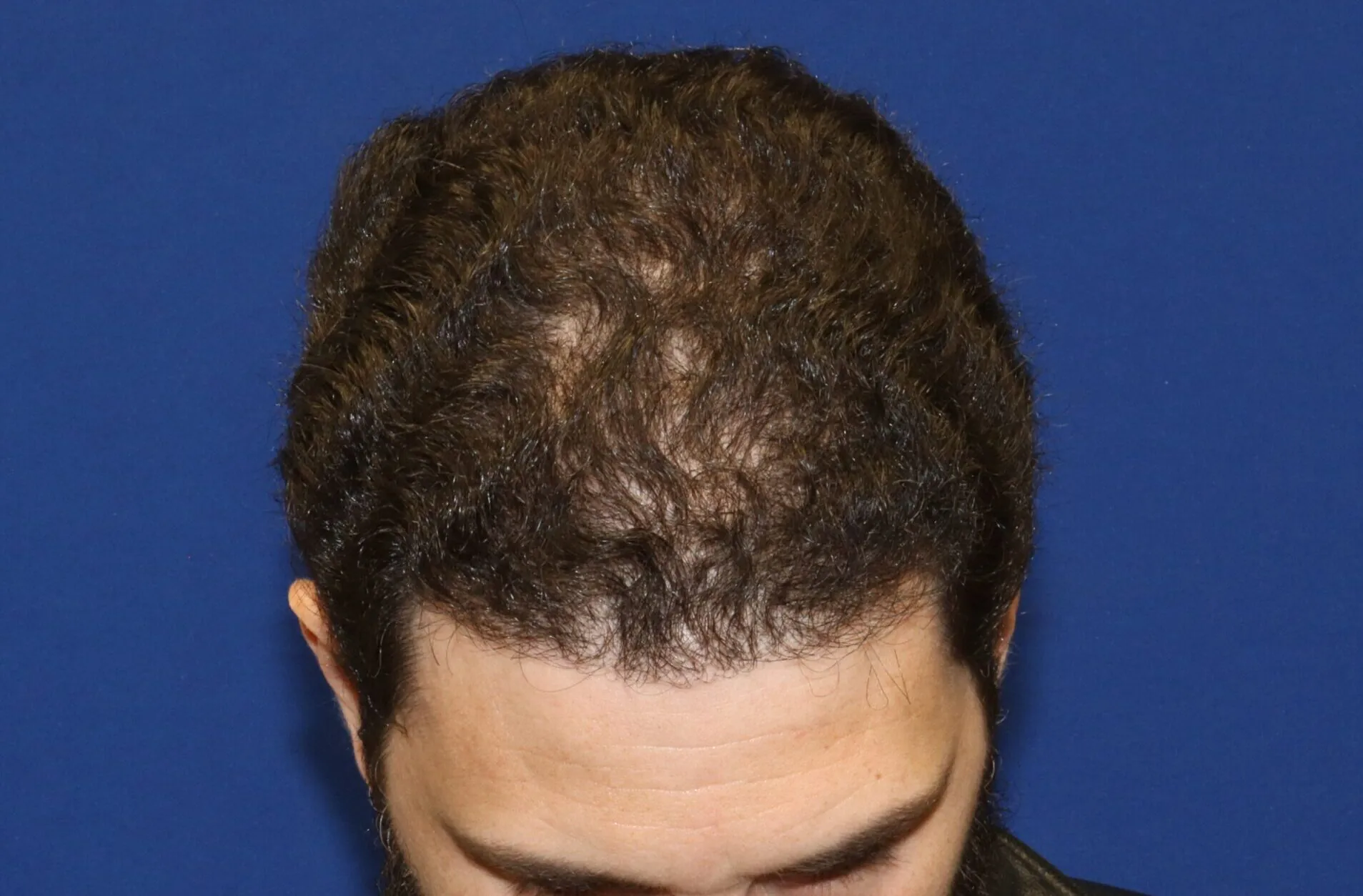
See the stunning transformations our patients have experienced with our advanced hair restoration treatments. Our Before and After Gallery showcases real results from real people who have reclaimed their confidence and regained natural-looking, fuller hair.
View Gallery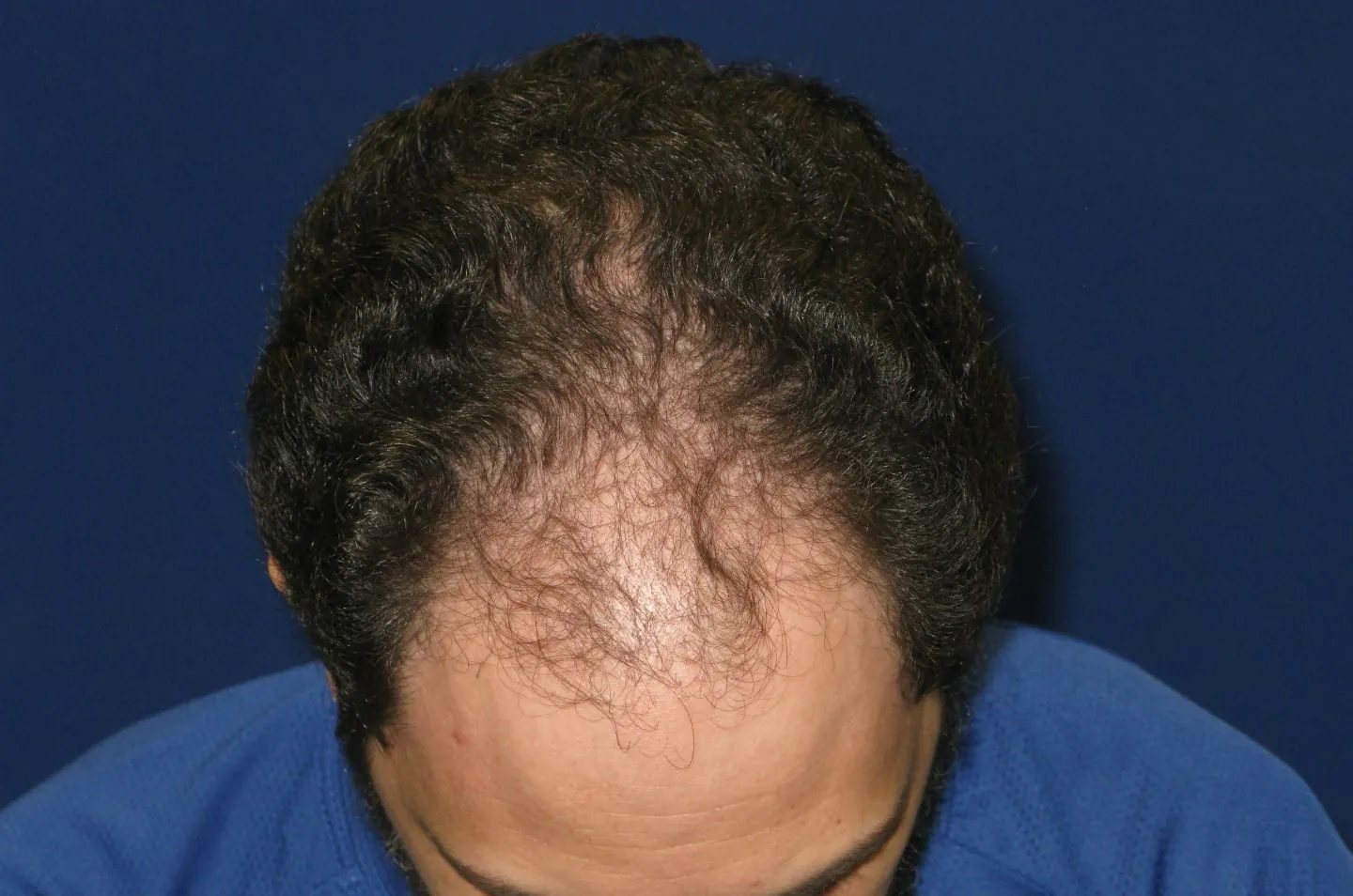
Boost PRP/PRF with PDGF for Superior Outcomes
While PRP and PRF harness your body’s own healing potential, adding Ariessence™ Pure PDGF+ takes regeneration to the next level. Over 300,000 times more potent than PRP or PRF, PDGF enhances collagen remodeling, reduces redness, and accelerates recovery. Applied topically while microchannels are open, it penetrates deeply for improved skin texture, elasticity, and overall treatment results.
Our PRP & PRF for Hair Restoration Houston treatment will be performed by Rivela Plastic Surgery’s team in The Woodlands.
What to Expect Following Your PRP or PRF for Hair Restoration Treatment
Although there is almost no downtime or recovery time with PRP and PRF treatments, bruising and swelling may occur in the early days after treatments. Your scalp may feel sensitive, and you might be on medication to help avoid infection. Avoid using harsh chemicals on your hair for the next 48 hours. If you are in The Woodlands area, we recommend visiting our clinic for the best treatment options available.
How Much Does PRP for Hair Restoration Cost?
The cost of PRP and PRF hair restoration treatments differs from person to person, depending on each patient’s needs. A consultation with Dr. Rivela will determine the total price of your hair restoration treatment.
Learn More About PRP and PRF Today
To learn more about PRP Hair Restoration in The Woodlands, TX, from a qualified plastic surgeon, please visit us at Rivela Plastic Surgery today. Our caring staff would love to answer your questions and help you feel at ease about your hair restoration decision. At our clinic, we understand the value of having a full head of attractive, healthy hair as a man or woman. Fill out an online form to schedule your free consultation today.
PRP & PRF Hair Restoration FAQs
Can PRP grow new hair?
Does hair fall out after PRF?
Does PRF thicken hair?
Can PRF cause blood clots?
How fast does PRF work?
Can you exercise after PRF injections?
How long does PRF last?
How often can you get PRF injections?
Does PRF for hair loss work for everyone?
What's the difference between PRP and PRF for hair restoration?
How many PRP treatments do I need to see results for hair loss?
Is PRP for hair restoration painful?
Can I combine PRP with other hair restoration treatments?
What are the side effects of PRF hair restoration?
How long before I see results from PRP hair restoration?
Am I a good candidate for PRP if I have complete baldness?
What should I avoid after PRP hair restoration treatment?
How does PRP compare to hair transplant surgery like NeoGraft?
Can women get PRP for hair restoration?

Lucian Rivela, M.D.
Plastic Surgery in Woodlands, TX
Lucian Rivela, M.D., F.A.C.S. is board-certified by The American Board of Plastic Surgery, having completed residencies in both Plastic Surgery and General Surgery. Since 1998, Dr. Rivela and his dedicated staff have been offering comprehensive care in cosmetic surgery, hair restoration, and skincare.
About Dr. Rivela