
Responsive Menu
Add more content here...

Hair loss can affect confidence, appearance, and how you feel about yourself each day. At Rivela Hair Restoration, board-certified plastic surgeon Dr. Lucian Rivela offers advanced NeoGraft® FUE hair transplant procedures designed to restore natural-looking hair without a linear scar. Patients from Houston and The Woodlands choose Dr. Rivela for his state-of-the-art technique, minimally invasive approach, and consistently natural results.

With over 25 years of surgical experience, 174+ hair transplants performed, and recognition as Best of The Woodlands every year since 2010, Dr. Rivela has built a reputation for expertise in hair restoration. Using the NeoGraft® automated FUE system, patients benefit from a no-scalpel procedure, faster recovery, and results that blend with their natural hair.


What Is a Hair Transplant?

A hair transplant is a surgical procedure that moves healthy hair follicles from one area of the scalp to another to treat thinning hair and balding spots. For men and women dealing with hair loss and weighing hair restoration options, Rivela Hair Restoration offers two surgical methods: NeoGraft and strip harvesting, with non-surgical therapies and evaluation also playing an important role in choosing the right approach. Because hair loss is common and can affect appearance and confidence, understanding your options early can help you pursue natural-looking, lasting improvement.

With NeoGraft (a follicular unit extraction method), Dr. Rivela will harvest healthy hair follicles from an area of the scalp and individually transplant those follicles to the area of hair loss or thinning. During the procedure, Dr. Rivela uses a touchless automated method. This FUE hair restoration method helps preserve healthy follicles so they are better able to survive the process. This procedure is more efficient and successful than other hair transplant methods and allows patients to achieve natural-looking results.

Strip harvesting, on the other hand, is a follicular unit transplant method that uses a scalpel to remove a strip of scalp, which is then dissected into individual follicular grafts before placement by hand.

Before & After Gallery

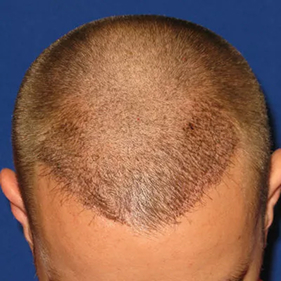
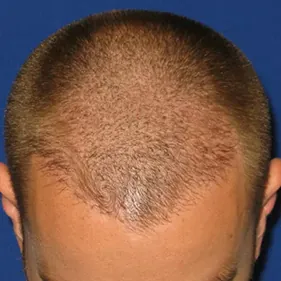
See the stunning transformations our patients have experienced with our advanced hair restoration treatments. Our Before and After Gallery showcases real results from real people who have reclaimed their confidence and regained natural-looking, fuller hair.

View Gallery
img
img

Understanding Hair Loss and Hair Restoration Options

Hair loss is extremely common. By age 70, up to 80% of men experience significant thinning, and women face similar challenges throughout their lives. Early evaluation improves hair restoration outcomes because preserving existing hair and donor hair density gives surgeons more to work with.

The most frequent cause of permanent hair loss is androgenetic alopecia, a genetic and hormonal condition that progressively miniaturizes individual hair follicles. Other triggers include hormone shifts during pregnancy or menopause, stress, illness, nutritional deficiencies, certain medications, and traction damage from tight hairstyles. Myths about hats causing baldness or everyday shampooing accelerating loss are widely debunked. Most long-term thinning is driven by genetics and hormones, not daily hair care.

Non-surgical hair restoration options can slow or partially reverse loss and are typically less expensive than surgery:

Testimonials

star

The staff and service at Rivela Plastic Surgery were top notch for my hair restoration treatment. I typically have high anxiety for medical procedures, but the care I received during my procedure made it go very smoothly and I have been very pleased with the result.

Read More

The Hair Transplant Procedure at Rivela Hair Restoration

Your hair restoration journey at Rivela Hair Restoration begins with a thorough consultation and continues through a carefully planned procedure day, ending with progressive results over the following year. For those traveling from outside the area, Rivela Hair Restoration offers helpful resources to make the trip to The Woodlands as convenient and stress-free as possible.

Initial consultation:

Dr. Lucian Rivela reviews your medical history, confirms good health status, and performs a scalp and hair density assessment. Together, you discuss goals, evaluate how much hair can realistically be restored, and select the right approach, whether NeoGraft FUE or an alternative hair restoration strategy. Patients often need to consult with a certified specialist to determine the best hair transplant method for their situation.

Day of surgery:

You arrive at the Pinecroft Drive office, where local anesthesia is administered along with optional comfort measures. The transplant surgeon then performs the donor harvest using follicular unit extraction and the NeoGraft system. A surgeon removes individual follicles from the donor area, and each graft is placed meticulously to match your original hair direction and density for natural results. Typical treatment areas include the receding hairline, temples, frontal scalp, and crown. Sessions can last several hours depending on how many high quality hair grafts are required.

Immediately after:

Patients leave the same day with detailed home-care instructions. You can expect mild soreness, scalp swelling, and minor discomfort post-surgery, which are standard surgical side effects of hair transplants.

img


Lucian Rivela, M.D.


Plastic Surgery in Woodlands, TX

Lucian Rivela, M.D., F.A.C.S. is board-certified by The American Board of Plastic Surgery, having completed residencies in both Plastic Surgery and General Surgery. Since 1998, Dr. Rivela and his dedicated staff have been offering comprehensive care in cosmetic surgery, hair restoration, and skincare.

About Dr. Rivela

Recovery and Growth Timeline

Week 1–2: Crusts typically fall off within 10 days post-surgery. Healing takes about 7–10 days after hair transplant surgery

Weeks 2–6: Patients may experience temporary shedding of transplanted hair shortly after surgery, which is completely normal

Months 3–4: New hair growth starts around 3–4 months after surgery

Month 6: Noticeable improvement in hair density and thick hair growth

Month 12: Full results from hair transplant show by 12 months, with mature transplanted hair blending seamlessly with existing hair


Why Choose Dr. Lucian Rivela for Hair Restoration in The Woodlands?

Rivela Hair Restoration is a dedicated hair restoration practice serving The Woodlands, Spring, Conroe, Katy, and Greater Houston. The practice is led by Lucian Rivela, M.D., F.A.C.S., a board-certified reconstructive surgeon certified by the American Board of Plastic Surgery who completed residencies in both plastic surgery and General Surgery.

Since 1998, Dr. Rivela and his staff have provided comprehensive care in cosmetic surgery, aesthetic surgery, hair restoration, and skincare, earning multiple “Best of The Woodlands” recognitions over 16 years. He was the first surgical hair transplant surgeon in the South Texas and Houston region to offer advanced NeoGraft FUE hair transplantation for both men and women, having completed over 188 NeoGraft procedures with no visible linear scarring.

Practice strengths that set Rivela apart:

  • Focus on natural hairlines and careful graft design for lasting hair growth
  • Personalized treatment planning, including combined surgical and non-surgical approaches
  • Compassionate, low-pressure consultation style
  • Before-and-after photo gallery and patient testimonials
  • Financing options such as CareCredit for qualified patients

Frequently Asked Questions

Can a hair transplant fail?

Yes, a hair transplant can fail if the transplanted hair follicles do not survive or grow properly. Failure can result from poor surgical technique, inadequate post-operative care, infection, or underlying health conditions. Choosing an experienced surgeon and following aftercare instructions can improve success rates.

Does hair transplant look natural?

Yes, when performed by an experienced surgeon using modern techniques, a hair transplant can look very natural. Factors like hairline design, follicle placement, and density play a crucial role in achieving a natural appearance.

How can I hide my hair transplant?

Yes, there are ways to conceal a hair transplant during the healing phase. Wearing a loose-fitting hat (after your doctor approves), using scalp concealers or hair fibers, and styling your existing hair strategically can help. Many patients also schedule their procedures around vacation time.

How long does the redness last after a hair transplant?

After a hair transplant, redness on the scalp is a common and natural occurrence as the skin begins to heal from the procedure. Typically, the redness can last anywhere from two to four weeks. For some individuals, especially those with a lighter skin tone, the redness may persist for a slightly longer period, sometimes stretching to a couple of months.

Do hair transplant last forever?

Hair transplants are generally long-lasting because the transplanted hair follicles are taken from areas resistant to hair loss. However, natural aging and genetic factors may cause some thinning over time. Proper care and maintenance can help preserve results for many years.

How can I sleep after hair transplant?

Sleep with your head elevated at a 45-degree angle for the first few nights to reduce swelling. Use a travel pillow to avoid direct contact with the transplanted area, and avoid tossing and turning to prevent dislodging grafts.

How can I speed up hair growth after hair transplant?

To promote faster hair growth post-transplant, ensure a balanced diet rich in essential nutrients such as proteins, vitamins (particularly vitamin D and biotin), and minerals like zinc and iron, as these are vital for healthy hair. Staying hydrated also plays a crucial role in maintaining optimal scalp health. Gently massaging the scalp can improve blood circulation, potentially enhancing hair growth.

Can hair transplant give full head of hair?

A hair transplant can improve hair density but may not always restore a completely full head of hair. The results depend on the availability of donor hair, the extent of hair loss, and the technique used. Some patients may need multiple sessions to achieve their desired look.

Can you be too bald for a hair transplant?

Yes, if there isn’t enough donor hair available (typically from the back or sides of the scalp), a hair transplant may not be a viable option.

How can I clean my scalp after hair transplant?

In the first few days, avoid washing your scalp to allow the grafts to settle. After 3–5 days, use a mild, sulfate-free shampoo and lukewarm water. Gently pat the scalp instead of rubbing, and follow your surgeon’s aftercare instructions.

What is the success rate of FUE hair transplant?

The success rate of Follicular Unit Extraction (FUE) hair transplants is generally high, often noted to be around 90-95%.

What is the difference between hair plugs and hair transplant?

Hair plugs involve removing small circular sections of hair-bearing scalp, typically from the back of the head, and transplanting these "plugs" to balding areas. This often resulted in a less natural appearance due to the larger size of the grafts and the spacing between them. In contrast, modern hair transplants use advanced techniques such as Follicular Unit Extraction (FUE). These methods involve transplanting individual follicular units, which contain 1-4 hairs, allowing for a more natural distribution and blending with existing hair.

Can I go to gym after hair transplant?

It’s generally advised to avoid strenuous exercise, including gym workouts, for at least 7–14 days after a hair transplant. Sweating, increased blood pressure, and physical strain can affect healing and potentially dislodge grafts in the early stages. Light activity can usually resume after a few days.

Can someone else donate hair for hair transplant?

No, hair transplants require the patient’s own hair because the body would reject hair from another person. Unlike organ transplants, hair follicles from a different individual are not compatible due to immune system rejection.

How do I take care of my hair transplant?

Generally, you should keep your scalp dry for the first few days and avoid washing your hair for 48 to 72 hours post-surgery. When you begin washing your hair, use a mild shampoo and be gentle with the transplanted area to avoid dislodging the grafts. Avoid sunlight exposure and refrain from physical activities that may cause excessive sweating for the first week. Additionally, sleep with your head elevated for the initial few nights to minimize swelling.

How many grafts can be extracted from donor area?

The number of grafts that can be extracted from a donor area during a hair transplant procedure largely depends on several factors, such as the patient's individual hair characteristics, the density of the donor area, and the patient's overall aesthetic goals. Typically, in a single hair transplant session, a surgeon may extract anywhere from 1,500 to 4,000 grafts.

Is a hair transplant noticeable?

Modern hair transplant methods, including Follicular Unit Extraction (FUE), are minimally invasive and designed to create natural-looking results. These techniques involve harvesting hair follicles from a donor area and carefully transplanting them to thinning or balding areas to achieve a seamless appearance.

Which age is best for hair transplant?

The ideal age for a hair transplant varies, as the best time for the procedure is when hair loss has stabilized and the individual has experienced a significant amount of balding. Typically, candidates are in their late 20s to 30s, as hair loss patterns become more predictable during this period.

Why cant you exercise after a hair transplant?

After a hair transplant, it's generally advised to avoid exercise to ensure optimal healing and hair graft survival. During the initial recovery period, engaging in physical activities, especially those that increase heart rate and cause sweating, can potentially dislodge or damage newly implanted hair follicles. These activities might also increase blood flow to the scalp, elevating the risk of swelling or bleeding in the treated area.

Is FUE hair transplantation painful?

Follicular Unit Extraction (FUE) hair transplantation is generally considered to be a minimally invasive procedure with manageable levels of discomfort. During the FUE process, local anesthesia is applied to numb the scalp, effectively reducing any sensation of pain during both the extraction and implantation phases. Patients often report feeling little more than a slight pressure or movement on the scalp rather than acute pain.

Scheduling Your Hair Restoration Consultation

If you are noticing lost hair, a widening part, or a receding hairline, seeking evaluation early gives you the widest range of options to encourage regrowth before thinning becomes advanced. Consultations provide customized treatment plans and pricing information. To schedule a consultation, fill out our online contact form, or give us a call today. Rivela Hair Restoration is conveniently located in The Woodlands with easy access from Houston, Spring, Conroe, and surrounding communities.

Take the first step in your hair restoration journey and contact Rivela Hair Restoration today to restore hair you can feel proud of.



See the Difference for Yourself

Hair Transplant

Seeking a healthier scalp for healthier hair? You’ve got it!

Conveniently located to serve The Woodlands, TX

Hair loss can affect confidence, appearance, and how you feel about yourself each day. At Rivela Hair Restoration, board-certified plastic surgeon Dr. Lucian Rivela offers advanced NeoGraft® FUE hair transplant procedures designed to restore natural-looking hair without a linear scar. Patients from Houston and The Woodlands choose Dr. Rivela for his state-of-the-art technique, minimally invasive approach, and consistently natural results.

With over 25 years of surgical experience, 174+ hair transplants performed, and recognition as Best of The Woodlands every year since 2010, Dr. Rivela has built a reputation for expertise in hair restoration. Using the NeoGraft® automated FUE system, patients benefit from a no-scalpel procedure, faster recovery, and results that blend with their natural hair.


What Is a Hair Transplant?

A hair transplant is a surgical procedure that moves healthy hair follicles from one area of the scalp to another to treat thinning hair and balding spots. For men and women dealing with hair loss and weighing hair restoration options, Rivela Hair Restoration offers two surgical methods: NeoGraft and strip harvesting, with non-surgical therapies and evaluation also playing an important role in choosing the right approach. Because hair loss is common and can affect appearance and confidence, understanding your options early can help you pursue natural-looking, lasting improvement.

With NeoGraft (a follicular unit extraction method), Dr. Rivela will harvest healthy hair follicles from an area of the scalp and individually transplant those follicles to the area of hair loss or thinning. During the procedure, Dr. Rivela uses a touchless automated method. This FUE hair restoration method helps preserve healthy follicles so they are better able to survive the process. This procedure is more efficient and successful than other hair transplant methods and allows patients to achieve natural-looking results.

Strip harvesting, on the other hand, is a follicular unit transplant method that uses a scalpel to remove a strip of scalp, which is then dissected into individual follicular grafts before placement by hand.

Before & After Gallery

See the stunning transformations our patients have experienced with our advanced hair restoration treatments. Our Before and After Gallery showcases real results from real people who have reclaimed their confidence and regained natural-looking, fuller hair.

View Gallery
img
img

Understanding Hair Loss and Hair Restoration Options

Hair loss is extremely common. By age 70, up to 80% of men experience significant thinning, and women face similar challenges throughout their lives. Early evaluation improves hair restoration outcomes because preserving existing hair and donor hair density gives surgeons more to work with.

The most frequent cause of permanent hair loss is androgenetic alopecia, a genetic and hormonal condition that progressively miniaturizes individual hair follicles. Other triggers include hormone shifts during pregnancy or menopause, stress, illness, nutritional deficiencies, certain medications, and traction damage from tight hairstyles. Myths about hats causing baldness or everyday shampooing accelerating loss are widely debunked. Most long-term thinning is driven by genetics and hormones, not daily hair care.

Non-surgical hair restoration options can slow or partially reverse loss and are typically less expensive than surgery:

Testimonials

star

The staff and service at Rivela Plastic Surgery were top notch for my hair restoration treatment. I typically have high anxiety for medical procedures, but the care I received during my procedure made it go very smoothly and I have been very pleased with the result.

Read More

The Hair Transplant Procedure at Rivela Hair Restoration

Your hair restoration journey at Rivela Hair Restoration begins with a thorough consultation and continues through a carefully planned procedure day, ending with progressive results over the following year. For those traveling from outside the area, Rivela Hair Restoration offers helpful resources to make the trip to The Woodlands as convenient and stress-free as possible.

Initial consultation:

Dr. Lucian Rivela reviews your medical history, confirms good health status, and performs a scalp and hair density assessment. Together, you discuss goals, evaluate how much hair can realistically be restored, and select the right approach, whether NeoGraft FUE or an alternative hair restoration strategy. Patients often need to consult with a certified specialist to determine the best hair transplant method for their situation.

Day of surgery:

You arrive at the Pinecroft Drive office, where local anesthesia is administered along with optional comfort measures. The transplant surgeon then performs the donor harvest using follicular unit extraction and the NeoGraft system. A surgeon removes individual follicles from the donor area, and each graft is placed meticulously to match your original hair direction and density for natural results. Typical treatment areas include the receding hairline, temples, frontal scalp, and crown. Sessions can last several hours depending on how many high quality hair grafts are required.

Immediately after:

Patients leave the same day with detailed home-care instructions. You can expect mild soreness, scalp swelling, and minor discomfort post-surgery, which are standard surgical side effects of hair transplants.

img


Lucian Rivela, M.D.


Plastic Surgery in Woodlands, TX

Lucian Rivela, M.D., F.A.C.S. is board-certified by The American Board of Plastic Surgery, having completed residencies in both Plastic Surgery and General Surgery. Since 1998, Dr. Rivela and his dedicated staff have been offering comprehensive care in cosmetic surgery, hair restoration, and skincare.

About Dr. Rivela

Recovery and Growth Timeline

Week 1–2: Crusts typically fall off within 10 days post-surgery. Healing takes about 7–10 days after hair transplant surgery

Weeks 2–6: Patients may experience temporary shedding of transplanted hair shortly after surgery, which is completely normal

Months 3–4: New hair growth starts around 3–4 months after surgery

Month 6: Noticeable improvement in hair density and thick hair growth

Month 12: Full results from hair transplant show by 12 months, with mature transplanted hair blending seamlessly with existing hair


Why Choose Dr. Lucian Rivela for Hair Restoration in The Woodlands?

Rivela Hair Restoration is a dedicated hair restoration practice serving The Woodlands, Spring, Conroe, Katy, and Greater Houston. The practice is led by Lucian Rivela, M.D., F.A.C.S., a board-certified reconstructive surgeon certified by the American Board of Plastic Surgery who completed residencies in both plastic surgery and General Surgery.

Since 1998, Dr. Rivela and his staff have provided comprehensive care in cosmetic surgery, aesthetic surgery, hair restoration, and skincare, earning multiple “Best of The Woodlands” recognitions over 16 years. He was the first surgical hair transplant surgeon in the South Texas and Houston region to offer advanced NeoGraft FUE hair transplantation for both men and women, having completed over 188 NeoGraft procedures with no visible linear scarring.

Practice strengths that set Rivela apart:

  • Focus on natural hairlines and careful graft design for lasting hair growth
  • Personalized treatment planning, including combined surgical and non-surgical approaches
  • Compassionate, low-pressure consultation style
  • Before-and-after photo gallery and patient testimonials
  • Financing options such as CareCredit for qualified patients

Frequently Asked Questions

Can a hair transplant fail?

Yes, a hair transplant can fail if the transplanted hair follicles do not survive or grow properly. Failure can result from poor surgical technique, inadequate post-operative care, infection, or underlying health conditions. Choosing an experienced surgeon and following aftercare instructions can improve success rates.

Does hair transplant look natural?

Yes, when performed by an experienced surgeon using modern techniques, a hair transplant can look very natural. Factors like hairline design, follicle placement, and density play a crucial role in achieving a natural appearance.

How can I hide my hair transplant?

Yes, there are ways to conceal a hair transplant during the healing phase. Wearing a loose-fitting hat (after your doctor approves), using scalp concealers or hair fibers, and styling your existing hair strategically can help. Many patients also schedule their procedures around vacation time.

How long does the redness last after a hair transplant?

After a hair transplant, redness on the scalp is a common and natural occurrence as the skin begins to heal from the procedure. Typically, the redness can last anywhere from two to four weeks. For some individuals, especially those with a lighter skin tone, the redness may persist for a slightly longer period, sometimes stretching to a couple of months.

Do hair transplant last forever?

Hair transplants are generally long-lasting because the transplanted hair follicles are taken from areas resistant to hair loss. However, natural aging and genetic factors may cause some thinning over time. Proper care and maintenance can help preserve results for many years.

How can I sleep after hair transplant?

Sleep with your head elevated at a 45-degree angle for the first few nights to reduce swelling. Use a travel pillow to avoid direct contact with the transplanted area, and avoid tossing and turning to prevent dislodging grafts.

How can I speed up hair growth after hair transplant?

To promote faster hair growth post-transplant, ensure a balanced diet rich in essential nutrients such as proteins, vitamins (particularly vitamin D and biotin), and minerals like zinc and iron, as these are vital for healthy hair. Staying hydrated also plays a crucial role in maintaining optimal scalp health. Gently massaging the scalp can improve blood circulation, potentially enhancing hair growth.

Can hair transplant give full head of hair?

A hair transplant can improve hair density but may not always restore a completely full head of hair. The results depend on the availability of donor hair, the extent of hair loss, and the technique used. Some patients may need multiple sessions to achieve their desired look.

Can you be too bald for a hair transplant?

Yes, if there isn’t enough donor hair available (typically from the back or sides of the scalp), a hair transplant may not be a viable option.

How can I clean my scalp after hair transplant?

In the first few days, avoid washing your scalp to allow the grafts to settle. After 3–5 days, use a mild, sulfate-free shampoo and lukewarm water. Gently pat the scalp instead of rubbing, and follow your surgeon’s aftercare instructions.

What is the success rate of FUE hair transplant?

The success rate of Follicular Unit Extraction (FUE) hair transplants is generally high, often noted to be around 90-95%.

What is the difference between hair plugs and hair transplant?

Hair plugs involve removing small circular sections of hair-bearing scalp, typically from the back of the head, and transplanting these "plugs" to balding areas. This often resulted in a less natural appearance due to the larger size of the grafts and the spacing between them. In contrast, modern hair transplants use advanced techniques such as Follicular Unit Extraction (FUE). These methods involve transplanting individual follicular units, which contain 1-4 hairs, allowing for a more natural distribution and blending with existing hair.

Can I go to gym after hair transplant?

It’s generally advised to avoid strenuous exercise, including gym workouts, for at least 7–14 days after a hair transplant. Sweating, increased blood pressure, and physical strain can affect healing and potentially dislodge grafts in the early stages. Light activity can usually resume after a few days.

Can someone else donate hair for hair transplant?

No, hair transplants require the patient’s own hair because the body would reject hair from another person. Unlike organ transplants, hair follicles from a different individual are not compatible due to immune system rejection.

How do I take care of my hair transplant?

Generally, you should keep your scalp dry for the first few days and avoid washing your hair for 48 to 72 hours post-surgery. When you begin washing your hair, use a mild shampoo and be gentle with the transplanted area to avoid dislodging the grafts. Avoid sunlight exposure and refrain from physical activities that may cause excessive sweating for the first week. Additionally, sleep with your head elevated for the initial few nights to minimize swelling.

How many grafts can be extracted from donor area?

The number of grafts that can be extracted from a donor area during a hair transplant procedure largely depends on several factors, such as the patient's individual hair characteristics, the density of the donor area, and the patient's overall aesthetic goals. Typically, in a single hair transplant session, a surgeon may extract anywhere from 1,500 to 4,000 grafts.

Is a hair transplant noticeable?

Modern hair transplant methods, including Follicular Unit Extraction (FUE), are minimally invasive and designed to create natural-looking results. These techniques involve harvesting hair follicles from a donor area and carefully transplanting them to thinning or balding areas to achieve a seamless appearance.

Which age is best for hair transplant?

The ideal age for a hair transplant varies, as the best time for the procedure is when hair loss has stabilized and the individual has experienced a significant amount of balding. Typically, candidates are in their late 20s to 30s, as hair loss patterns become more predictable during this period.

Why cant you exercise after a hair transplant?

After a hair transplant, it's generally advised to avoid exercise to ensure optimal healing and hair graft survival. During the initial recovery period, engaging in physical activities, especially those that increase heart rate and cause sweating, can potentially dislodge or damage newly implanted hair follicles. These activities might also increase blood flow to the scalp, elevating the risk of swelling or bleeding in the treated area.

Is FUE hair transplantation painful?

Follicular Unit Extraction (FUE) hair transplantation is generally considered to be a minimally invasive procedure with manageable levels of discomfort. During the FUE process, local anesthesia is applied to numb the scalp, effectively reducing any sensation of pain during both the extraction and implantation phases. Patients often report feeling little more than a slight pressure or movement on the scalp rather than acute pain.

Scheduling Your Hair Restoration Consultation

If you are noticing lost hair, a widening part, or a receding hairline, seeking evaluation early gives you the widest range of options to encourage regrowth before thinning becomes advanced. Consultations provide customized treatment plans and pricing information. To schedule a consultation, fill out our online contact form, or give us a call today. Rivela Hair Restoration is conveniently located in The Woodlands with easy access from Houston, Spring, Conroe, and surrounding communities.

Take the first step in your hair restoration journey and contact Rivela Hair Restoration today to restore hair you can feel proud of.



See the Difference for Yourself